
Phd february session
Saturday 28 february 2026
FEEDBACK
13:00 - 14:00
BRAVER SPACES CHECK-IN
Prosperity in failure within the process of creation, A TALK BY ANG BARTRAM
14:15 - 16:15
PROSPERITY IN FAILURE WITHIN THE PROCESS OF CREATION WORKSHOP by ANG BARTRAM
Recording
Sunday 1 march 2026
FEEDBACK
13:00-15:00
BRAVER SPACES CHECK-IN
TT pGR-LED SESSION: Demystifying the Viva: A Conversation with Recent Transart / LJMU Graduates
15:30-16:30
AI x FAsCISM, A TALK BY GEOFF COX
phd TALK + WORKSHOP
Prosperity in Failure Within the Process of Creation by Ang Bartram
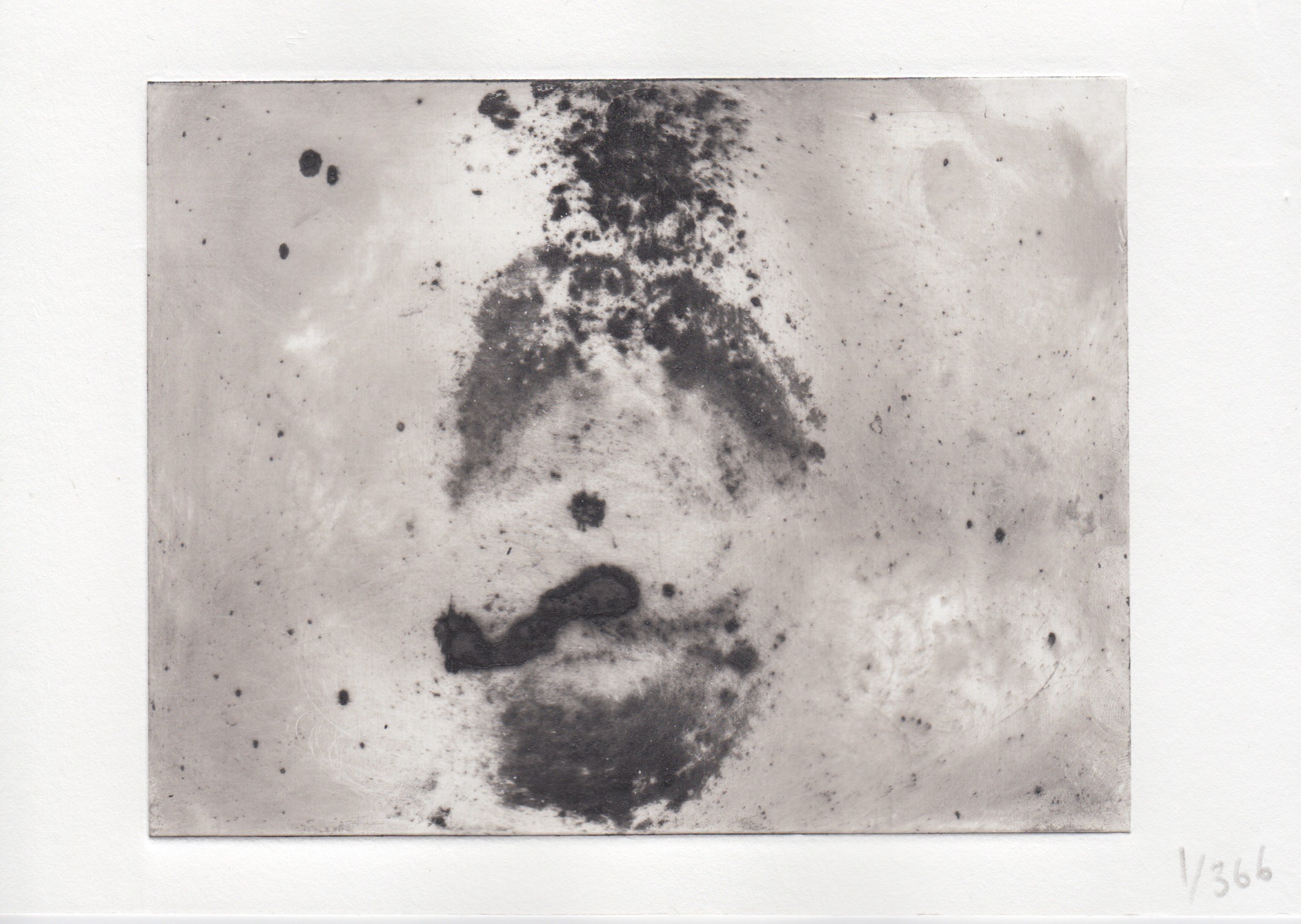
366- 366 (finally), 1 of 366 prints, Tippetts and Eccles Galleries, Angela Bartram, 2021
phd WORKSHOP
AI x Fascism, a talk by Geoff Cox

Publicity still for Charlie Chaplin’s The Great Dictator. (Source: Wikimedia Commons.)
The title employs a popular and deliberately ambiguous connective ‘x’, at once a substitute for ‘and’, ‘loves’, ‘multiplies’, and a reference to the much-maligned social media platform owned by a big-tech billionaire. It signals the complexities involved when seemingly divergent entities are brought together in this way. By pairing AI and fascism, the talk traces historical connections between aesthetics and politics; from Walter Benjamin’s artwork essay, written amid rising fascism in Europe to alt-right meme cultures of the present. When it comes to AI, we might broadly claim that it reproduces fascist-like tendencies as it concentrates power in centralised infrastructures, is founded on extractive logic, and is owned by powerful elites who believe that access to power is their divine right. But AI isn’t inherently fascist, and can it be imagined differently?
bio | site
Recording
TT PGR-led workshop
Demystifying the Viva: A Conversation with Recent Transart / LJMU Graduates
The viva voce can feel like the final mysterious rite of passage in the PhD journey; part conversation, part defense, and wholly transformative. In this informal Q&A, Yvette Chaparro, Jake Tkaczyk, and Erin Wilkerson, recent graduates of the Transart Institute / Liverpool John Moores University PhD program, share their firsthand experiences navigating the viva process.
From preparing your documentation and anticipating examiner questions to managing nerves and embracing feedback, this discussion offers practical insights and reflections from those who’ve just come out the other side.
Whether you’re polishing your portfolio or simply wondering what lies ahead, join us for a candid conversation about the final stages of the PhD process, and bring your own questions to the table.